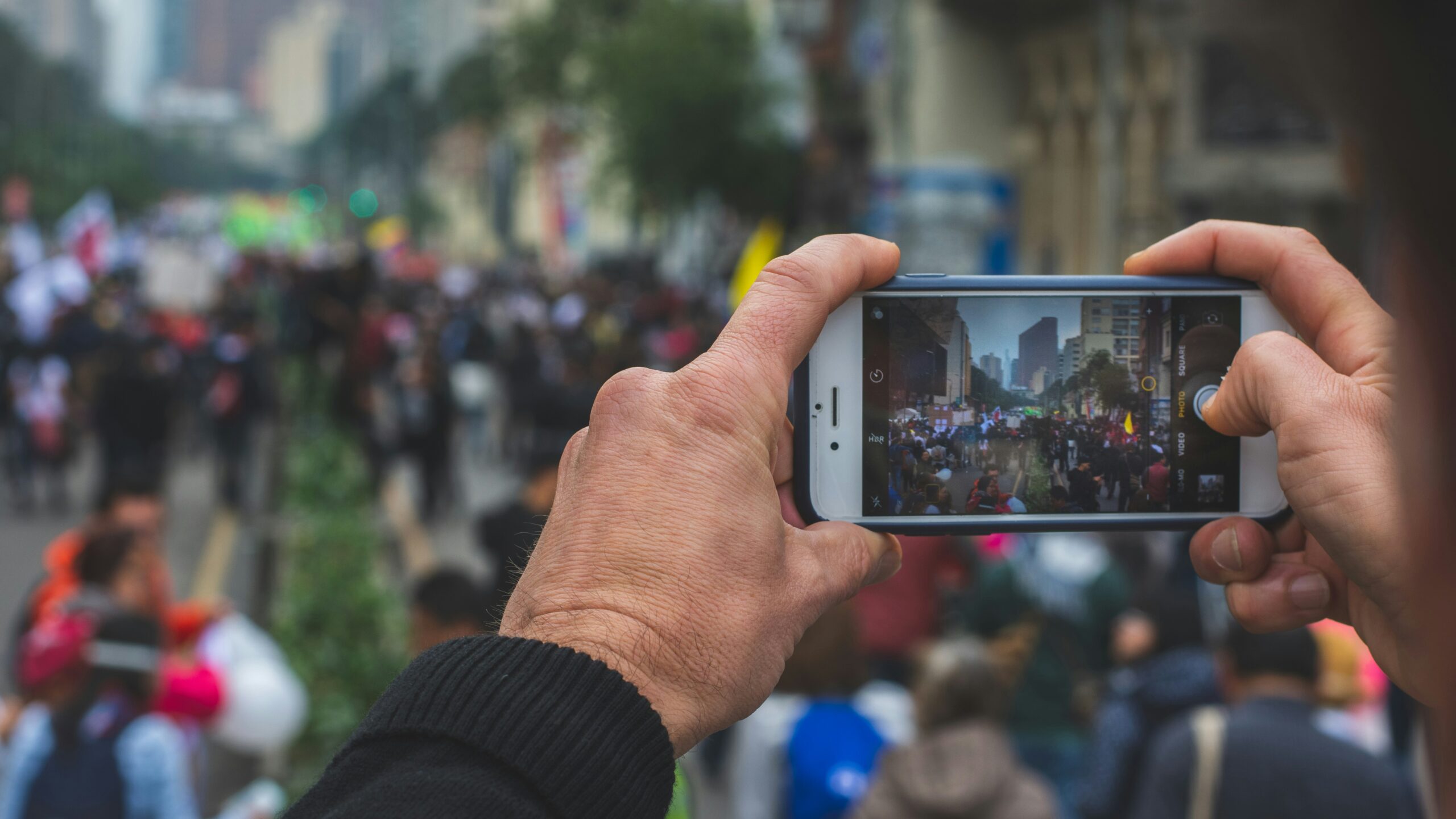
In an age defined by technology, digital platforms have revolutionized how individuals connect, share, and influence society. From social media to online forums, these tools have given citizens the means to speak out, organize, and drive change at unprecedented speed and scale. Civic engagement, once confined to local meetings and paper petitions, now thrives in digital spaces. People from all walks of life use technology to raise awareness, hold leaders accountable, and collaborate toward social progress.
This transformation signals more than convenience—it marks a profound shift in how democracy functions. The rise of digital civic engagement empowers individuals to make their voices heard, regardless of geography, status, or background. As technology evolves, understanding how to harness these tools responsibly and effectively becomes essential for fostering a vibrant and inclusive civic culture.
The Digital Revolution in Civic Participation
The internet has fundamentally changed how citizens interact with their governments and communities. Previously, engaging in civic life required physical presence—attending rallies, town halls, or voting booths. Now, platforms like Twitter (now X), Instagram, TikTok, and Facebook serve as digital town squares. They provide spaces for open dialogue, awareness campaigns, and activism that reach millions instantly.
These digital channels not only inform but also mobilize. Hashtags like #BlackLivesMatter, #MeToo, and #ClimateStrike exemplify how a single online movement can spark global change. People share stories, connect across borders, and inspire action—all with a single post. The accessibility of digital platforms has democratized participation, enabling marginalized voices to gain visibility and influence public opinion in ways traditional media rarely allowed.
Moreover, younger generations are redefining what civic involvement means. They engage through digital petitions, crowdfunding for social causes, and creative multimedia campaigns that amplify social justice narratives. Civic engagement is no longer passive; it’s interactive, immediate, and deeply personal.
How Social Media Shapes Civic Engagement
Social media is more than a tool for communication—it’s a catalyst for action. It transforms civic engagement into a dynamic process of learning, sharing, and organizing. Through real-time updates, users stay informed about political developments, local issues, and community initiatives. They also have the power to respond quickly, creating digital movements that translate into real-world change.
For example, live-streaming protests or town hall discussions provides transparency and accountability, ensuring that decision-makers face public scrutiny. Similarly, platforms allow citizens to challenge misinformation, advocate for policy changes, and participate in online consultations. These spaces make it possible for individuals to be both informed and influential simultaneously.
However, digital civic engagement requires intentionality. Social media can amplify both positive and negative influences. Algorithms may prioritize sensational content, leading to polarization or misinformation. Therefore, responsible digital participation means critically evaluating sources, verifying facts, and promoting constructive discussions that bridge divides rather than deepen them.
Digital Tools That Drive Civic Innovation
Beyond social media, several digital tools enhance civic participation and innovation. Online voting systems, public data dashboards, and government portals simplify access to information and services. Platforms like Change.org and Avaaz enable users to advocate for issues that matter, gathering millions of signatures from global supporters.
Civic tech startups have also emerged as key players in promoting transparency and accountability. Apps designed to report local problems—such as potholes, pollution, or corruption—empower citizens to contribute directly to their communities. Digital mapping tools and participatory budgeting platforms invite users to collaborate with policymakers, transforming governance into a two-way conversation.
These innovations highlight a growing trend: technology is not just a tool for expression; it’s a framework for collaboration. It allows communities to co-create solutions and make informed decisions based on collective insight. Civic engagement becomes a shared responsibility between citizens and institutions, strengthened through open, data-driven dialogue.
The Role of Digital Literacy in Effective Engagement
While access to technology is widespread, effective civic engagement requires more than connectivity—it demands digital literacy. Understanding how to navigate online platforms, evaluate credible sources, and safeguard personal information is vital. Without these skills, citizens may fall prey to misinformation, manipulation, or data breaches that undermine democratic participation.
Digital literacy empowers individuals to engage confidently and ethically. It encourages them to differentiate between advocacy and propaganda, between informed debate and online hostility. Education systems and community organizations play a critical role in fostering these skills. By teaching digital responsibility, they ensure that civic engagement online remains productive and inclusive.
Moreover, cultivating empathy and respect in digital spaces enhances constructive dialogue. Online discourse thrives when individuals listen, learn, and collaborate rather than compete. Actual civic participation involves not only speaking out but also understanding others’ perspectives and building consensus.
Challenges of the Digital Civic Landscape
Despite its potential, the digital landscape for civic engagement presents challenges. Misinformation spreads rapidly, online harassment discourages participation, and echo chambers reinforce bias. Additionally, not everyone enjoys equal access to technology or internet literacy, leading to a “digital divide” that marginalizes certain groups.
To address these issues, both policymakers and tech companies must prioritize digital inclusion. Investing in reliable internet infrastructure, supporting community education, and implementing fair moderation policies can help bridge the gap. Ensuring that every voice has the opportunity to be heard, regardless of socioeconomic status or geography, is essential to sustaining digital democracy.
Transparency from social media platforms also matters. When algorithms and policies favor engagement over truth, civic discourse suffers. Open-source models and stronger data privacy laws can rebuild trust and protect users from exploitation.
Building the Future of Digital Democracy
As society continues to evolve, digital platforms will remain central to civic life. The challenge lies in shaping a digital democracy that values authenticity, equality, and collective empowerment. Communities that embrace these principles will build stronger, more responsive systems of governance.
Civic engagement in the digital age is no longer limited to casting a vote—it’s about sustaining an ongoing conversation between citizens and institutions. Each post, petition, and comment contributes to a broader narrative of shared responsibility. The more people participate, the more representative and accountable society becomes.
Ultimately, leveraging digital platforms for civic engagement is about amplifying voices, not just making noise. It’s about transforming awareness into action, ensuring that technology serves as a bridge—not a barrier—to democratic progress. In doing so, we reaffirm that in a connected world, every click, share, and word has the power to shape our collective future.